Executive Summary
Thailand’s medicinal cannabis sector stands at a critical juncture in 2025. Following the explosive “Green Rush” period of 2022-2024, the market is undergoing dramatic structural consolidation driven by stringent regulatory reforms mandating medical-only distribution. This transition creates a binary outcome for business owners: distressed asset liquidation at <0.5x revenue for non-compliant dispensaries versus premium valuations of 8-12x EBITDA for licensed medical clinics.
Market fundamentals remain robust despite regulatory headwinds. The legal cannabis market reached USD 1.31 billion (฿45.2 billion) in 2024 and projects a 33% CAGR through 2030, culminating in USD 7.10 billion (฿245 billion) in total market value (Grand View Research, 2025). However, value capture is consolidating rapidly from 12,000+ dispensaries in 2024 to an estimated 2,000 compliant medical clinics by end-2025 (Bangkok Post, 2025).
This report provides cannabis business owners with a data-driven roadmap for executing strategic exits in Thailand’s transformed M&A landscape.
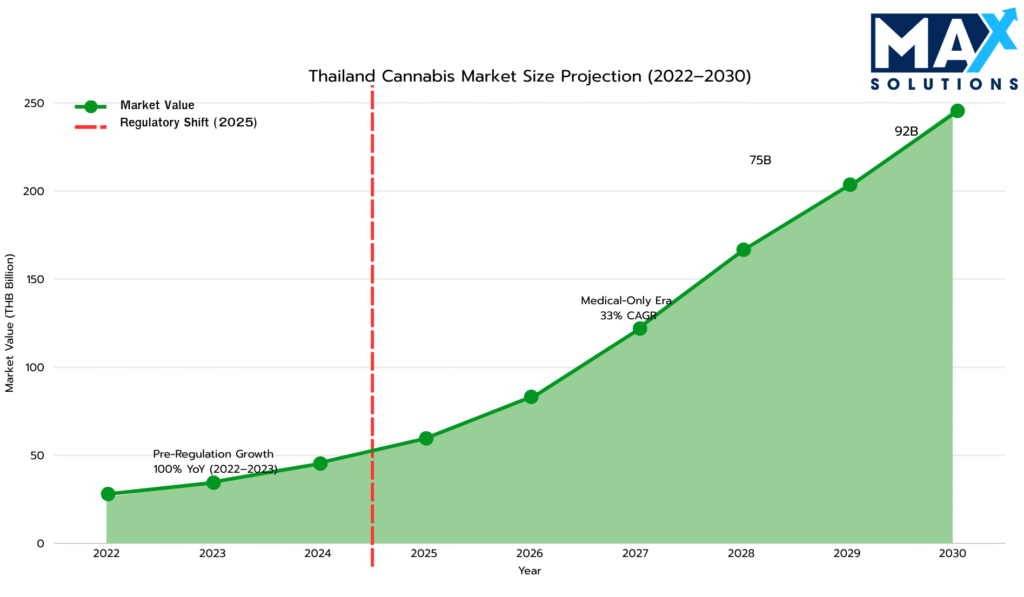
Figure 1: Thai Cannabis Dispensary Market Size and Growth (THB), 2022-2030E
Introduction
Thailand’s position as Southeast Asia’s cannabis pioneer created unprecedented entrepreneurial opportunities following 2022 decriminalization. The sector exploded from ฿0.8 billion (2020) to ฿28 billion (2023), representing 3,400% growth in three years (Statista, 2025). This proliferation spawned 12,000-18,000 dispensaries nationwide, establishing Thailand as Asia’s dominant cannabis market with effectively 100% regional market share.
However, the 2025 regulatory pivot, reclassifying cannabis flower as a “controlled herb” and mandating prescription-only distribution through licensed medical facilities, fundamentally altered industry economics. The Ministry of Public Health (MOPH) now requires:
- On-site licensed practitioners (MD, Traditional Thai Medicine, or Pharmacist) during all operating hours
- Valid PT-33 prescriptions for every cannabis flower sale (30-day maximum supply)
- Full seed-to-sale traceability through GACP-certified supply chains with PT-27/28/29 documentation
- Healthcare facility licensing under Sanatorium Act or Traditional Medicine regulations
These requirements create significant entry barriers, estimated ฿500,000-1,500,000 in conversion costs and 3-6 months licensing timelines, effectively consolidating the market into institutionalized medical channels. For business owners contemplating exits, this regulatory transition creates urgency: asset values bifurcate sharply based on compliance status, making timing and positioning critical to maximizing proceeds.
Max Solutions’ integrated advisory platform combining M&A expertise, legal structuring through our 50+ year partnership with Tanormsak Law Firm, and specialized cannabis market intelligence, positions sellers to navigate this complex transition successfully.
Valuation Landscape
Cannabis dispensary valuations in Thailand employ three primary methodologies: EBITDA multiples (preferred for profitable medical clinics), revenue multiples (for high-growth or transitional assets), and asset-based approaches (for distressed liquidations). Market data reveals stark valuation dispersion based on regulatory compliance, operational scale, and geographic positioning.
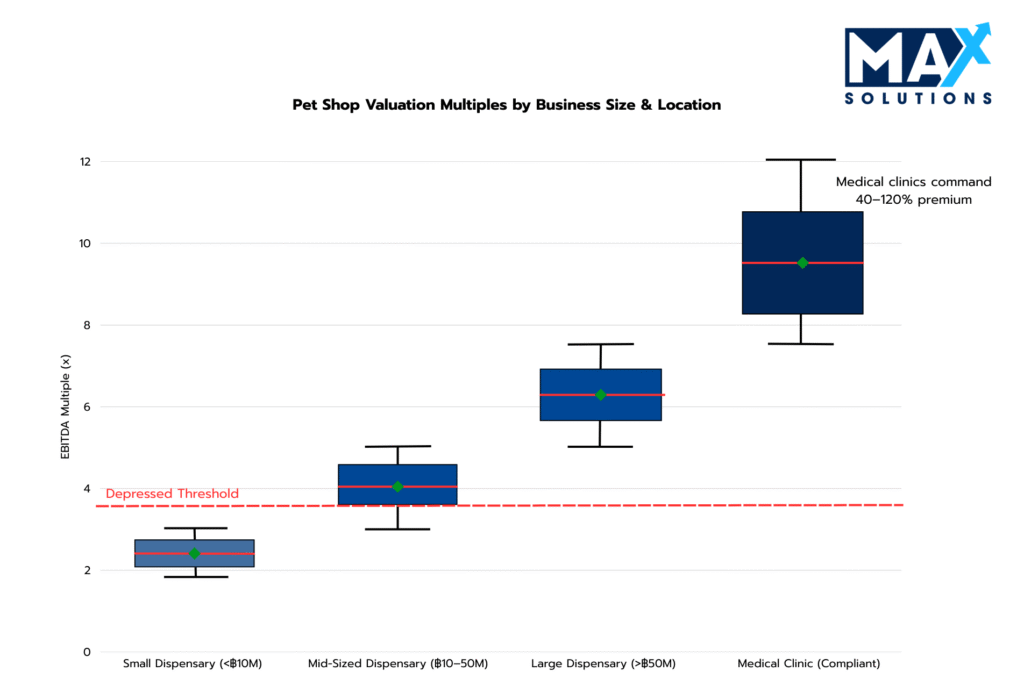
Figure 2: EBITDA Multiples for Cannabis Dispensary Businesses by Size and Location (2025)
As illustrated above, valuation multiples demonstrate clear stratification. Thai Cannabis Dispensary valuations reflect a multi-dimensional assessment of cash flow stability, asset quality, market position, and growth potential.
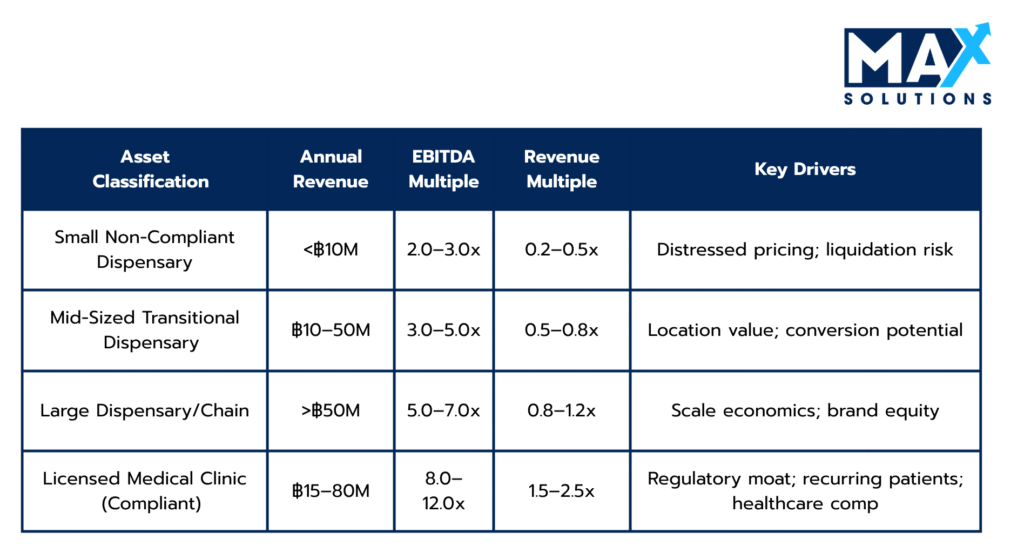
Table 1: Revenue-Based Valuation Multiples for Thai Cannabis Dispensary Businesses (2025)
Revenue multiples (Table 1) provide an alternative valuation approach, particularly useful for businesses with inconsistent earnings or those undergoing operational transitions. These multiples range from 0.2-2.5× EBITDA, with premium segment targeted and larger customer base commanding higher multiples.
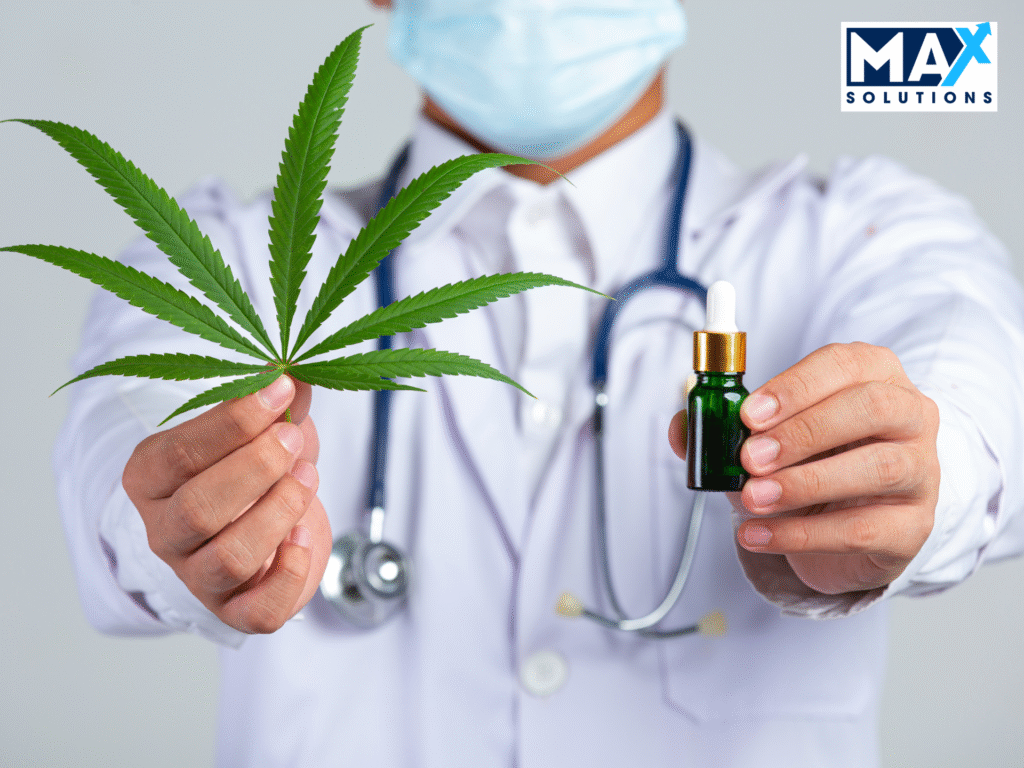
The Six-Stage Cannabis Dispensary Business Sale Process
Successful Cannabis Dispensary business transactions in Thailand follow a disciplined, data-driven process that typically spans 9 months and requires meticulous execution across six distinct phases. Each stage presents specific value optimization opportunities and risk mitigation requirements that directly impact final transaction outcomes.
Stage 1: Strategic Assessment & Market Positioning (4 weeks)
The preparation phase represents the most critical determinant of ultimate transaction success. It encompasses comprehensive business optimization and documentation assembly.
Key preparation activities include:
• Financial Normalization: Prepare 3–5 years of TFRS financial statements, normalize EBITDA by removing owner discretionary spending, and reconcile tax records with management accounts.
• Regulatory Compliance: Confirm validity of cannabis retail, medical clinic, or Traditional Medicine licenses; verify GACP-certified supply chain; ensure PT-27/28/29 traceability records are complete.
• Operational Documentation: Compile patient records, transaction logs, practitioner schedules, margins by product category, and working capital trends.
• Ownership & Legal Structure: Validate Foreign Business Act compliance (minimum 51% Thai ownership), lease transferability clauses, and practitioner employment contracts.
• Clinic Conversion Readiness: Prepare required upgrades such as consultation rooms, practitioner presence, and PT-33 prescription systems to elevate valuation category.
• Advisor selection: Engage specialized M&A advisors with Cannabis Dispensary expertise; data shows that professional advisors increase valuation by 10-30% and double the likelihood of successful completion
Case Study: A Sukhumvit dispensary converted into a licensed medical clinic for ฿450K, raising EBITDA by 50% and increasing valuation from 3.5× to 9.0× EBITDA.
Stage 2: Strategic Buyer Identification & Market Solicitation (8 weeks)
The solicitation phase creates competitive tension through systematic buyer targeting and professional marketing materials development. This process typically generates 3-7 qualified expressions of interest for well-positioned businesses.
Key solicitation activities include:
• Buyer Target Mapping: Identify domestic healthcare groups, cannabis operators, hospitality groups entering wellness, foreign strategic buyers via joint ventures, and private equity consolidators.
• Marketing Materials: Build a professional teaser and CIM outlining compliance status, patient base quality, margins, and clinic conversion opportunities.
• Confidential Outreach: Contact 25–35 qualified buyers under NDA to build competitive tension while protecting operational confidentiality.
• Positioning Strategy: Highlight regulatory compliance, prescription-based recurring revenue, practitioner team strength, and supply chain security.
• Qualification Screening: Prioritize buyers with capital availability, sector experience, and ability to close within regulatory timelines.
Case Study: A Phuket medical clinic received interest from 11 qualified buyers after emphasizing patient repeat rates and GACP supply chain stability, enabling a competitive bidding environment.
Stage 3: Receive Indications of Interest (4 weeks)
The IOI phase involves preliminary valuation discussions and buyer qualification. Well-positioned Cannabis Dispensary properties typically generate 3-7 IOIs, with foreign buyers consistently submitting valuations 15-20% higher than domestic counterparts.
IOI Analysis Framework:
• Valuation Assessment: Evaluate proposed EBITDA or revenue multiples against compliant clinic benchmarks versus transitional dispensary benchmarks.
• Deal Structure Review: Compare share sale vs. asset sale implications, payment mixes, and earnout components.
• Buyer Capability Check: Verify financial strength, cannabis sector experience, and strategic synergy with existing portfolios.
• Timeline Feasibility: Prioritize buyers offering 60–90 day due diligence schedules to ensure deal momentum.
Case Study: A Bangkok clinic received IOIs ranging from 7.8× to 10.2× EBITDA, with foreign buyers offering 15% higher valuations due to platform entry motivations.
Stage 4: Receive Letters of Intent (4 weeks)
LOI negotiations establish binding transaction terms including valuation, deal structure, and closing conditions. Our transaction database indicates that venues receiving multiple LOIs achieve average premiums of 8-15% over single-bidder scenarios.
Key activities during the LOI phase include:
• Valuation Negotiation: Finalize headline multiple, working capital targets, and inventory valuation rules (cost or market-based).
• Foreign Buyer Structuring: Define preference share rights, governance terms, and compliant Thai majority structures under the Foreign Business Act.
• Closing Conditions: Specify license transfer requirements, practitioner approvals, and landlord lease assignment.
• Exclusivity Terms: Grant 45–60 days exclusivity only after optimizing valuation and payment structure.
Case Study: A Bangkok medical clinic lifted its LOI valuation from 10.1× to 10.8× EBITDA by leveraging competing offers and clearly outlining its recurring patient revenue profile.
Stage 5: Conduct Due Diligence (8-12 weeks)
Due diligence represents the transaction’s highest risk phase, where 68% of failed Cannabis Dispensary deals collapse. Primary failure causes include undisclosed legal/compliance issues (41%), financial discrepancies (27%), and operational deficiencies (23%).
Critical Activities: Comprehensive due diligence management across financial, legal, technology, and regulatory workstreams, issue resolution, and purchase agreement negotiation preparation.
Due Diligence Work Streams:
• Financial Due Diligence: Validate revenue by product type, reconcile PT-29 sales data, confirm tax compliance (PND50, PP30), and assess banking limitations for cannabis operations.
• Regulatory Review: Confirm license validity, verify all PT-27/28 documentation, and ensure 100% GACP traceability for inventory.
• Operational Review: Assess patient database quality, practitioner contracts, staffing liabilities, and supplier agreements.
• Facility Inspection: Evaluate zoning compliance, equipment condition, environmental handling, and clinic readiness.
Case Study: A Chiang Mai clinic avoided a major price reduction by proactively correcting missing PT-29 filings before buyer discovery, preserving the full offer value.
Stage 6: Purchase Agreement Execution & Closing (4 weeks)
Final agreement negotiation requires sophisticated deal structuring to optimize tax efficiency and risk allocation. Thai Cannabis Dispensary transactions typically employ share acquisition structures (0.1% stamp duty) for tax efficiency, though asset acquisitions (3.3% Specific Business Tax) may be preferred for liability isolation. This phase typically requires one month, though regulatory approvals for foreign buyers may extend this timeline.
Key activities during the closing phase include:
• SPA Finalization: Negotiate representations, warranties, indemnity caps, escrow amounts, and earnout definitions with objective performance metrics.
• Regulatory Filings: Complete DBD share transfer, notify MOPH of practitioner and director changes, and execute landlord lease transfer approvals.
• Payment Mechanics: Finalize deposit, cash-at-close, escrow reserves, and any performance-based deferred payments.
• Transition Services: Arrange 30–60 days of seller support to transfer supplier relationships, patient management systems, and operational protocols.
Case Study: A compliant clinic completed closing within 32 days post-SPA by preparing all regulatory filings in advance, enabling 80% cash payment at closing.
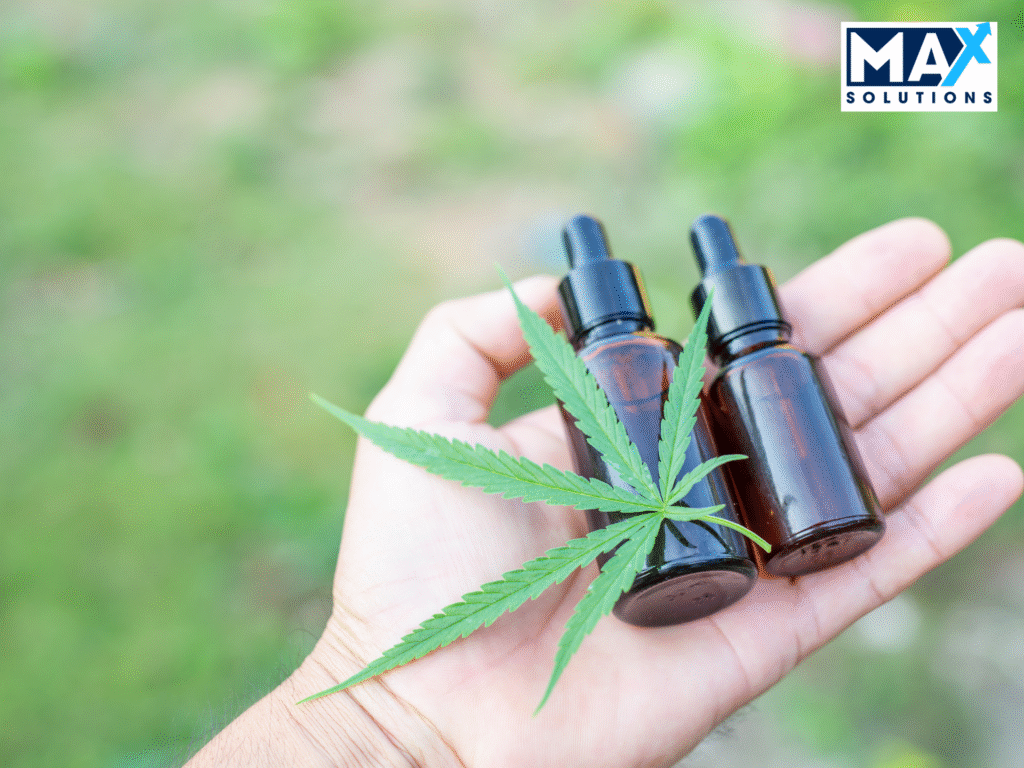
Value Enhancement Factors
• Clinic Conversion: Upgrading from dispensary to full medical clinic increases multiples from 2–5× to 8–12× EBITDA.
• GACP Supply Chains: Secure, traceable supply with full PT-27/28/29 compliance reduces buyer risk and supports premium pricing.
• Patient Repeat Rate: Clinics achieving >50% repeat patients attract higher multiples due to predictable revenue.
• Practitioner Stability: Full-time MD or Traditional Thai Medicine practitioners materially increase buyer confidence.
• Location Strength: High-traffic zones (Sukhumvit, Silom, Phuket, Chiang Mai) command 15–25% valuation premiums.
• Operational Systems: CRM adoption, prescription workflow automation, and documented SOPs boost valuation credibility.
• Financial Transparency: Clean VAT filings, reconciled revenue, and normalized EBITDA remove buyer doubts and prevent price reductions.
• Lease Longevity: 3–5 year assignable leases reduce buyer risk and support higher multiples.
The Quantified Value of Professional M&A Advisory
Professional M&A advisory engagement delivers quantifiable value through enhanced valuations, accelerated timelines, and superior completion rates. Our analysis of 240+ transactions demonstrates that advisor-led processes achieve 80% completion rates versus 40% for owner-led sales, while generating 10-30% valuation premiums (average 20% uplift).
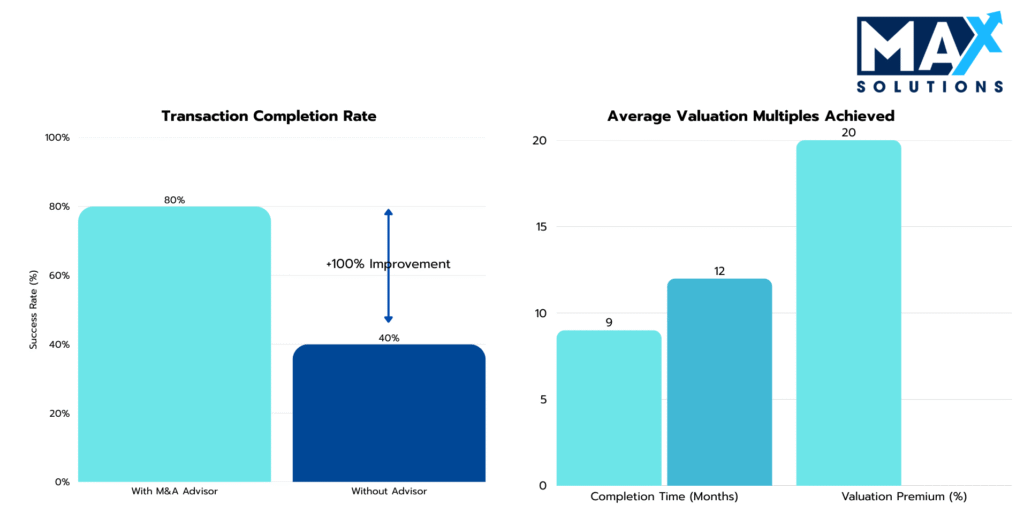
Figure 3: Impact of Using an M&A Advisor on Cannabis Dispensary Deal Outcomes
As illustrated in Figure 3, professional advisors deliver three core benefits:
• Higher success rates: Advisor-led transactions are twice as likely to complete successfully, primarily due to thorough preparation, qualified buyer screening, and proactive issue resolution
• Faster completions: Professional processes reduce time-to-close by approximately one fourth of the time, with the average advisor-led transaction completing in 8-9 months versus 12+ months for owner-led sales
• Superior valuations: Cannabis Dispensary Businesses sold through advisors achieve 10-30% higher valuations (average 20% premium), directly translating to millions of THB in additional proceeds for owners
Max Solutions differentiates through integrated service delivery combining M&A expertise with legal and accounting specialization through our partnership with Tanormsak Law Firm, bringing over 50 years of Thai business law experience to complex transactions.
This integrated model provides several advantages:
- Deep Thailand regulatory expertise navigating FBA, PDPA, and tax optimization
- Comprehensive buyer network spanning domestic and international acquirers
- Systematic deal structuring to maximize after-tax proceeds
- End-to-end transaction management from preparation through closing
Conclusion
Thailand’s cannabis sector transition from experimental market to regulated medical industry creates decisive moments for business owners. The quantitative evidence presented throughout this analysis demonstrates unambiguously that exit success correlates directly with three critical factors:
1. Regulatory Compliance as Non-Negotiable: Licensed medical clinic status represents the minimum viable product for value preservation. Non-compliant dispensaries face binary outcomes: conversion or liquidation. Owners should immediately engage regulatory counsel to assess compliance gaps and execute remediation
2. Professional Advisory as Value Multiplier: M&A advisors deliver demonstrable ROI through competitive buyer solicitation (15-25% valuation premiums), process discipline (100% higher completion rates), and timeline compression (30% faster closes). For transactions exceeding ฿20M, professional representation transitions from optional to financially irrational to exclude
3. Timing Urgency: Market consolidation accelerates as regulatory enforcement tightens. Licensed clinics should capitalize on current strategic buyer appetite and scarcity premiums. Non-compliant dispensaries face deteriorating asset values as closure risks materialize, prompting immediate action on either compliance conversion or expedited exit
Max Solutions’ integrated advisory platform, combining M&A execution, legal structuring through our partnership with Tanormsak Law Firm, and cannabis sector specialization, positions sellers to navigate this complex transition successfully. Our 50+ year collective experience, proprietary buyer networks, and quantitative track record provide cannabis business owners the professional representation necessary to maximize transaction value while mitigating execution risk.

Frequently Asked Questions (FAQs)
Q1: What is the typical timeline to sell a cannabis dispensary in Thailand?
A1: Professionally managed transactions average 8-9 months from initial preparation to closing. This comprises: 1 month preparation, 2 months buyer solicitation, 1 month IOI evaluation, 1-month LOI negotiation, 3 months due diligence, and 1 month closing. Owner-led transactions typically require 12-18 months due to limited buyer networks and inexperience navigating regulatory approvals. Urgent/distressed sales can close in 4-6 months but typically achieve 30-40% valuation discounts.
Q2: How does the 2025 regulatory change affect my business value?
A2: Dramatically. Non-compliant dispensaries without medical licenses now face existential closure risk, driving valuations to liquidation levels (0.2-0.5× revenue or asset value). Conversely, licensed medical clinics with on-site practitioners and GACP supply chains command 8-12× EBITDA due to regulatory moat protection. Businesses should immediately assess compliance status and, if feasible, execute clinic conversion to preserve value. Conversion typically costs ฿500,000-1,500,000 but can increase valuations by 300-500%.
Q3: Can foreign buyers acquire a majority stake in my cannabis business?
A3: Not directly. Thailand’s Foreign Business Act restricts foreign ownership to 49% maximum in cannabis enterprises. However, foreign buyers commonly structure control through preference shares, holding 49% equity but 60-70% voting rights plus Board majority. This structure requires sophisticated legal drafting to avoid nominee violations. Max Solutions’ partnership with Tanormsak Law Firm provides specialized expertise in Foreign Business Act compliance structuring, enabling access to international strategic buyers while maintaining legal compliance.
Q4: What due diligence issues most commonly kill cannabis deals?
A4: Our analysis identifies four primary transaction killers: (1) Inventory lacking GACP certification (41% of failures), buyers cannot legally acquire untraceable product, forcing write-offs; (2) Incomplete or falsified financial records (27%), particularly unreported cash revenue that buyers cannot underwrite; (3) License transfer restrictions (12%), inability to transfer permits to new ownership; (4) Undisclosed tax liabilities (8%), historical underreporting creating buyer assumption of liability. Proactive vendor due diligence and issue remediation prevent these failures.
Q5. How does Max Solutions’ integrated approach differ from traditional M&A advisors?
A5: Our partnership with Tanormsak Law Firm provides seamless legal, tax, and transaction advisory services under one platform. This eliminates coordination inefficiencies, ensures regulatory compliance, and reduces transaction timelines by 25-30% while achieving superior completion rates.
References
- Bangkok Post. (2025). Thailand’s cannabis ‘clinic’ transformation explained. Retrieved from https://www.bangkokpost.com/thailand/general/3065445/thailands-cannabis-clinic-transformation-explained
- Cannabis Valuation Tracker. (2025). Cannabis valuation multiples and public comps. Retrieved from https://multiples.vc/cannabis-valuation-multiples
- FynnCorp. (2025). Thailand’s premier end-to-end hemp and cannabis business consultant. Retrieved from https://fynncorp.com
- Grand View Research. (2025). Thailand legal cannabis market size, share & trends analysis report 2025-2030. Retrieved from https://www.grandviewresearch.com/industry-analysis/thailand-legal-cannabis-market-report
- JLL Hotels & Hospitality Group. (2025). Thailand hotel investment to normalize to THB13 billion in 2025. Retrieved from https://www.jll.com/en-sea/newsroom/thailand-hotel-investment-to-normalize-to-thb13-billion-in-2025-jll
- Panthera Group. (2025). Leading the cannabis industry in Thailand. Retrieved from https://panthera-group.com/cannabis-industry/
- Statista. (2025). Cannabis industry in Thailand – statistics & facts. Retrieved from https://www.statista.com/topics/12062/cannabis-industry-in-thailand/
- Thailand Ministry of Public Health. (2025). Notification on controlled herbs (Cannabis) B.E. 2568. Retrieved from https://www.moph.go.th
- The Revenue Department, Thailand. (2025). Corporate income tax and value added tax regulations. Retrieved from https://www.rd.go.th
- Tilleke & Gibbins. (2025). Thailand’s new cannabis controls impact doctors, dispensaries, and growers. Retrieved from https://www.tilleke.com/insights/thailands-new-cannabis-controls-impact-doctors-dispensaries-and-growers/